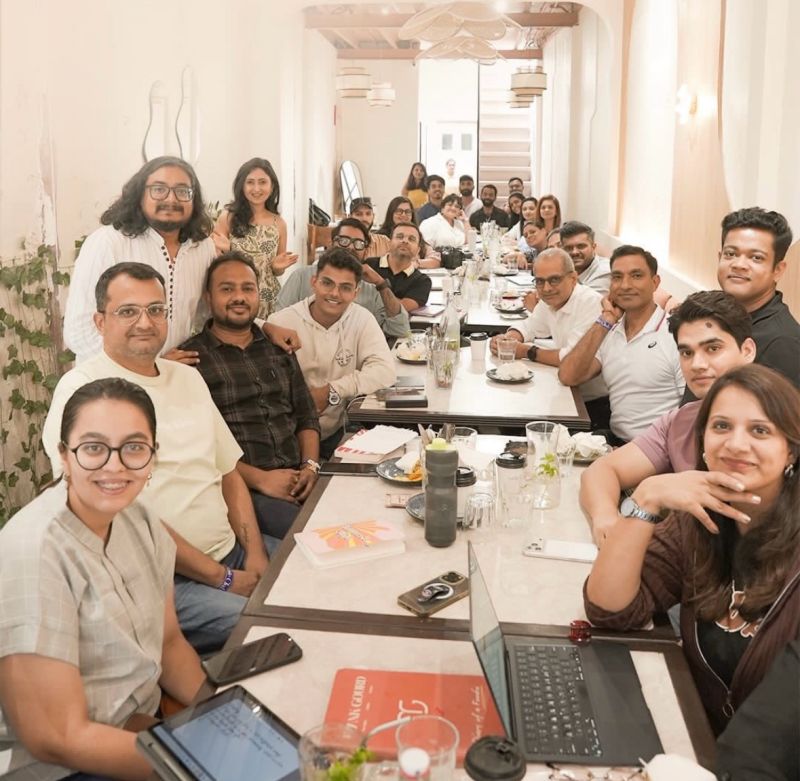
Instagram’s AI Translations for Reels: Breaking Language Barriers Meta AI feature for Reels – sourced from official Meta announcements & tech reports It auto-translates & dubs content into multiple languages, making global reach effortless Here’s a quick summary: diving into details, benefits, & caveats for creators and marketers Key Feature Highlights > Languages Supported: English, Spanish, Portuguese, Hindi, Bengali, Tamil, Telugu, Marathi, Kannada (more coming soon) > How It Works: 1) Toggle “Translate voices with Meta AI” when posting 2) AI handles translation, dubbing (keeps your voice tone/emotion), & lip-syncing 3) Viewers can switch languages; creators get language-specific analytics 4) Extras: Auto-translates text/captions; best for single-speaker, clear-audio videos (multi-speaker in development) 5) Tips for Success: Face camera, speak clearly, minimize noise/music Rollout Timeline & Verification > Announced by Adam Mosseri in mid-January 2026 > Global rollout on Instagram/Facebook, building on 2025 English-Spanish pilot > Confirmed via: Instagram Blog, Meta Help Center, TechCrunch, Mashable India (also build a habit of following & reading these blogs, follow their social media channels) Benefits for Creators & Businesses i) Global Expansion: Reach 3B+ Meta users; Indian creators tap into regional audiences (e.g., Mumbai content viral in Chennai) ii) Cost Savings: Free AI dubbing skips pro translators/re-records iii) Insights & Growth: Track engagement by language; ideal for hyper-local campaigns in) Inclusivity: Empowers non-English speakers in India’s 1.4B market, early users rave about authentic dubs Challenges & Criticisms (too soon to judge but read anyways) > Accuracy Issues: AI might miss nuances, idioms, or context (e.g., song lyrics) > User Feedback: Lip-sync can feel “creepy”; unwanted auto-prompts annoy viewers > Limitations: Single-speaker only; cultural sensitivity concerns (e.g., indigenous languages) > Ethical Notes: Voice privacy worries; Meta makes it optional/reviewable, but improvements needed Broader Impact This AI shift turns content creation inclusive, aligning with India’s multilingual vibe Yet, it sparks debates: Does it homogenize cultures or amplify voices? Tools like Google’s translations show promise, but trust is key – Meta’s adding transparency via C2PA My Take: A game changer for borderless creativity Try it on your next reel, but prioritize authenticity What are your thoughts—game-changer or gimmick? Drop comments and experiences so far, if you already are leveraging Meta AI image from our recent cafe club ip, brain child of our head of content at BeerBiceps Skillhouse, Mahima Thakar, assisted & managed by Harsha Sharma, image captured by Sainyam Ghai
India’s Orange Economy Is Here
The 2026-27 Union Budget or India 🇮🇳 supercharges the ‘orange economy’ Creative sectors like AVGC (animation, VFX, gaming, comics), media, design, & digital content This is huge for content & creative creators India’s Orange Economy Push: 1) AVGC Focus: Needs 2M pros by 2030. IICT Mumbai sets up Content Creator Labs in 15K schools & 500 colleges for hands-on skills in animation, gaming, VFX, comics 2) Design & Heritage: New NID in east to fix designer shortage; develop 15 sites like Lothal/Dholavira for cultural storytelling, boosting tourism creators (AR/VR tours) 3) Support: Single-window for events; links to tourism/space/blue economy Economic Survey 2025-26: Engine for jobs, urban services, tourism4) India’s M&E: ₹2.5L cr (~$30B) in ’24, to $50B by ’29 (7.2% CAGR). Creator economy: Rs19B (’23) to Rs34B by ’26 (18% CAGR) 5) Orange revenue: $20-25B now, potential $100-125B by ’30. AVGC: $2.5-3B to $26B by ‘30 6) We’re #3 in creative startups, 30-35% AVGC growth, big in Hollywood VFX outsourcing (digital: 32% M&E revenue) Global Benchmarks 🌎🌏🌍 Where India Stands & Global orange economy: – $2.25T revenue, 3% GDP, 50M jobs (bigger than EU/Japan/US autos combined). To $985B-$4.3T by ’30 (40% growth). Asia-Pacific leads (1/3 sales, 43% jobs) – Youth: 20-25% workforce; women higher but pay gaps Top players: 1) US: $1T+ (10% GDP)—Hollywood, gaming, music ($130B live output, 900K jobs). Export pros via Netflix 2) South Korea: 10%+ GDP—K-pop/dramas/gaming; govt R&D drives tourism (BTS/Squid Game) 3) Japan: $150B+—anime/manga/gaming (Pokémon/Nintendo); IP licensing masters 4) UK: Music tourism £6.6B (0.3% GDP)—fashion/music/design 5) Colombia: 2.6-3.3% GDP, target 10% via orange bonds/districts ($25-28B) 6) Others: Kenya/Ethiopia (>5% GDP); Nigeria’s Nollywood (2nd biggest employer post-agri); Spain (4.8% GDP, 39.9% growth ’15-19) 7) India: 0.5-1% GDP ($20-30B), but 30-35% AVGC growth beats global 7-14%. Lags in % but matches emerging job intensity (like Jordan 2.4%) – Edge: Youth demo, digital infra, heritage for soft power. Shift from outsourcing to original IP to rival Asia-Pacific by ’30 – Challenges: Talent gaps, regs but budget mirrors Korea/Colombia models Why Content Creators Win & Pro Tips: This empowers creator economy via early skilling, innovation, jobs, exports Turn culture into serious money now: – Skill Up: Master AVGC tools; blend tech/storytelling (e.g., heritage AR) – Go Global: Pitch IP like Korea; collab internationally – Advocate: Push funding; focus sustainability (UNESCO/UNCTAD) – Monetize: Platforms, sponsors, tourism ties. Inclusivity: Higher women roles; digital resilience post-COVID – India’s creator economy is a high-growth subset, fueled by 860+ million internet users, short-form video (Reels, Shorts), & government initiatives like AVGC labs “Digitally Creative Bharat” needs us: let’s lead the orange wave, shall we?