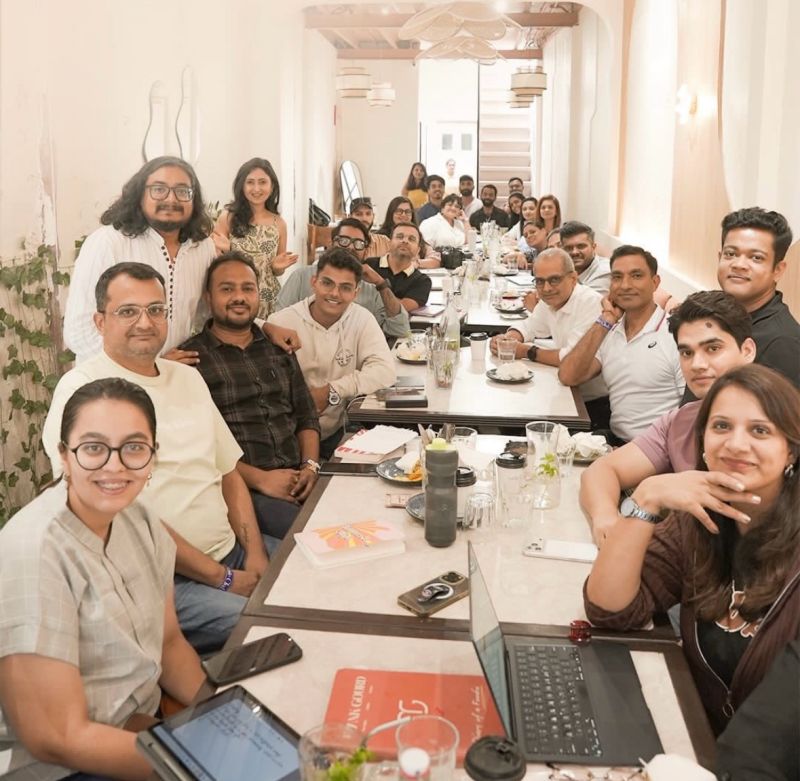
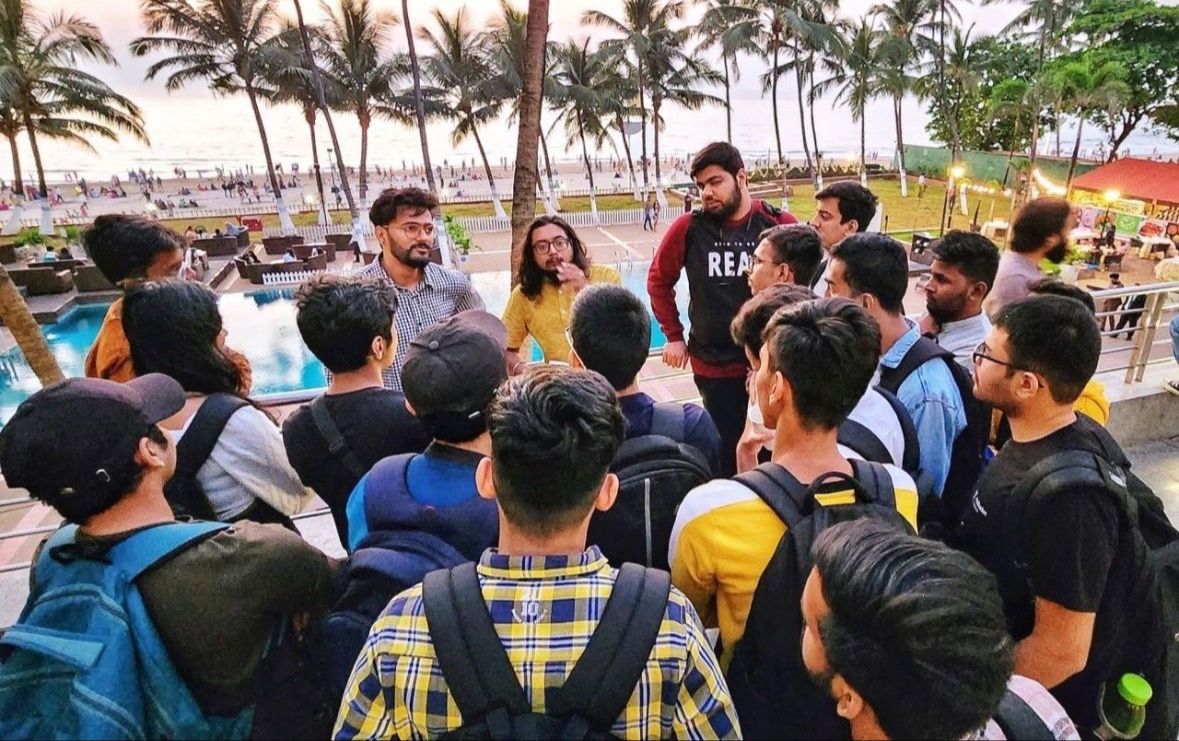
Instagram’s AI Translations for Reels: Breaking Language Barriers Meta AI feature for Reels – sourced from official Meta announcements & tech reports It auto-translates & dubs content into multiple languages, making global reach effortless Here’s a quick summary: diving into details, benefits, & caveats for creators and marketers Key Feature Highlights > Languages Supported: English, Spanish, Portuguese, Hindi, Bengali, Tamil, Telugu, Marathi, Kannada (more coming soon) > How It Works: 1) Toggle “Translate voices with Meta AI” when posting 2) AI handles translation, dubbing (keeps your voice tone/emotion), & lip-syncing 3) Viewers can switch languages; creators get language-specific analytics 4) Extras: Auto-translates text/captions; best for single-speaker, clear-audio videos (multi-speaker in development) 5) Tips for Success: Face camera, speak clearly, minimize noise/music Rollout Timeline & Verification > Announced by Adam Mosseri in mid-January 2026 > Global rollout on Instagram/Facebook, building on 2025 English-Spanish pilot > Confirmed via: Instagram Blog, Meta Help Center, TechCrunch, Mashable India (also build a habit of following & reading these blogs, follow their social media channels) Benefits for Creators & Businesses i) Global Expansion: Reach 3B+ Meta users; Indian creators tap into regional audiences (e.g., Mumbai content viral in Chennai) ii) Cost Savings: Free AI dubbing skips pro translators/re-records iii) Insights & Growth: Track engagement by language; ideal for hyper-local campaigns in) Inclusivity: Empowers non-English speakers in India’s 1.4B market, early users rave about authentic dubs Challenges & Criticisms (too soon to judge but read anyways) > Accuracy Issues: AI might miss nuances, idioms, or context (e.g., song lyrics) > User Feedback: Lip-sync can feel “creepy”; unwanted auto-prompts annoy viewers > Limitations: Single-speaker only; cultural sensitivity concerns (e.g., indigenous languages) > Ethical Notes: Voice privacy worries; Meta makes it optional/reviewable, but improvements needed Broader Impact This AI shift turns content creation inclusive, aligning with India’s multilingual vibe Yet, it sparks debates: Does it homogenize cultures or amplify voices? Tools like Google’s translations show promise, but trust is key – Meta’s adding transparency via C2PA My Take: A game changer for borderless creativity Try it on your next reel, but prioritize authenticity What are your thoughts—game-changer or gimmick? Drop comments and experiences so far, if you already are leveraging Meta AI image from our recent cafe club ip, brain child of our head of content at BeerBiceps Skillhouse, Mahima Thakar, assisted & managed by Harsha Sharma, image captured by Sainyam Ghai
Instagram: The Showrunner’s Platform
Instagram is slowly turning into Netflix. Here’s what that means for creators & brands Sounds dramatic? Maybe But it’s exactly what the new Instagram algorithm is nudging toward In 2025, Instagram quietly evolved from a “scroll” app into a “streaming” platform rewarding Reels that hook attention, build narratives, and keep people watching like episodes in a binge-worthy series Let’s unpack what’s really happening 1) The Algorithm Update That Changed Everything: Instagram now ranks Reels using retention and engagement signals– watch time,– rewatches,– skips,– DM shares, &– completion rates In September 2025, two critical updates made this shift official: > Reel retention + skip metrics were added to analytics> Multi-part linking launched, letting creators connect Reels into series (e.g. Part 1 → Part 2) Adam Mosseri even called it “a new era of binge-worthy mini-shows.” So yes, episodic storytelling is now baked into Instagram’s growth engine 2) Why “Episodic Reels” Are the New Meta: Content Creators and brands that build repeatable series see up to 2–3x more recall and engagement Because audiences don’t just follow your brand, they follow your story For Creators: Start a “Challenge Series” (e.g., 30 days of design, fitness, or product building) For Brands: Think “Skin Coach Diaries,” “Stylist Selects,” or “Barista Stories.” Real faces + recurring characters = trust and retention Remember: one viral Reel won’t build a brand, A well-told series will 3) How to Optimize for This Algorithm – Hook hard in the first 3 seconds, reduce skips– End with cliffhangers, push viewers to tap on “Next Reel” – Track retention metrics: if people drop off early, shorten your narrative – Encourage DMs: Instagram now boosts content shared privately Even hashtags matter less today Instagram favors organic discovery powered by watch time and authenticity signals 4) Practical Steps to Win in 2025: – Repurpose your best-performing Reels into multi-part stories– Build 10-episode seasons around your niche– Use the new iPad app for Reels editing — it’s optimized for series creation– A/B test episodic vs random posts to find what your audience “binges”– Embed storytelling across Reels, Carousels, & Stories for a unified brand universe This isn’t about gimmicks. It’s about attention architecture, building narrative loops that make your audience care enough to come back The Big Takeaway: Instagram’s future belongs to storytellers, not sellers If YouTube built the long-form universe, Instagram is now building the short-form multiverse, one where creators evolve into showrunners & brands become media houses The question for 2026 isn’t “What Reel should I post?” It’s, “What story am I telling next week?” Start Today Audit retention metrics, build your universe. Storytellers own 2026, sellers won’t Who’s piloting a series? Drop ideas below
Instagram Algorithm Shift 2026
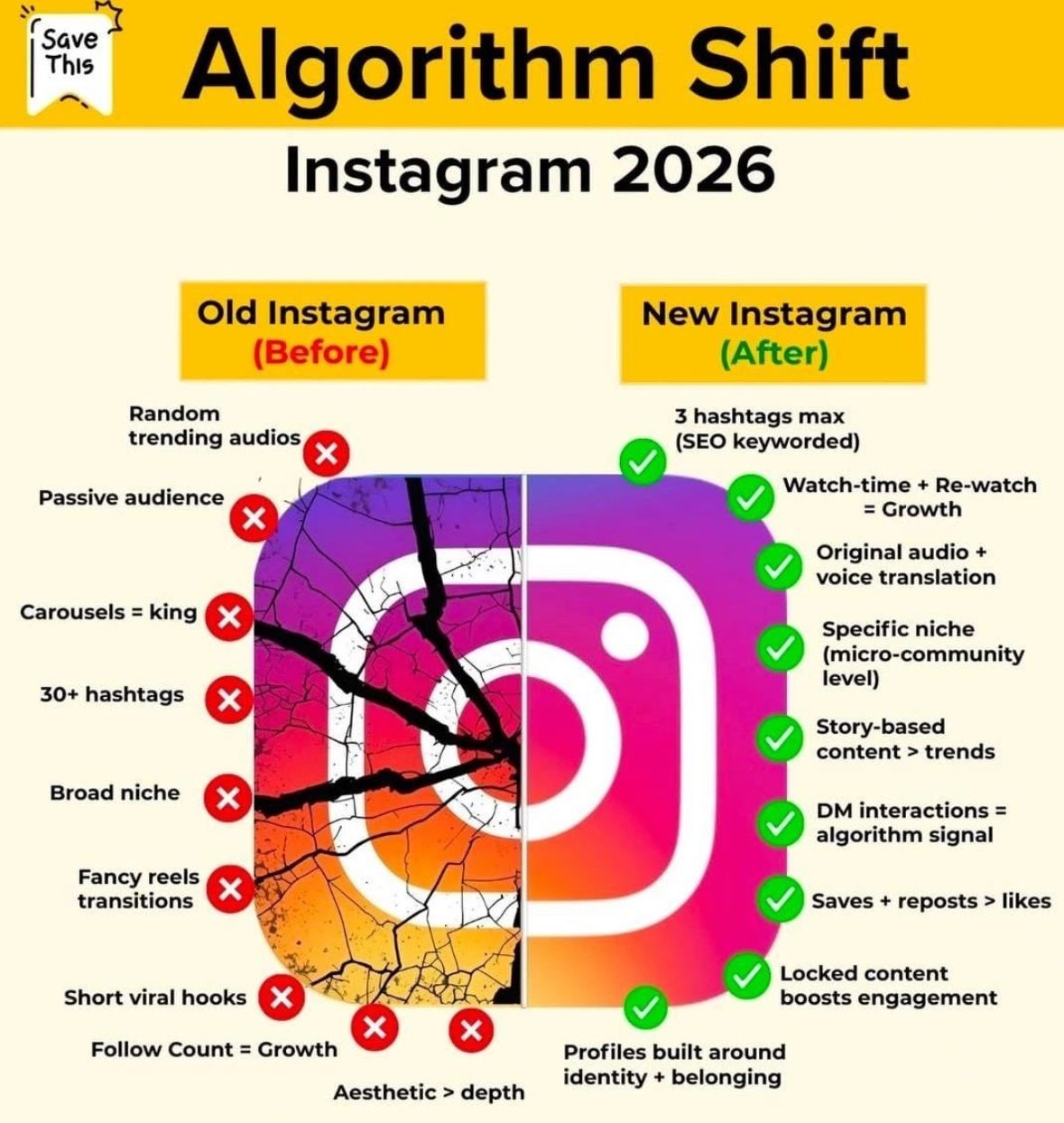
Instagram “Algorithm Shift 2026” What’s Actually True? There’s a viral graphic claiming a massive Instagram algorithm reset for 2026 This infographic was created by Ashish Mandal (https://lnkd.in/dYETPPsE) – an edit creator on IG, but the claimed strategies need to be fact checked) A lot of it sounds exciting, but parts of it are oversimplified or just wrong Here’s a clearer picture, based on Instagram’s public explanations & Adam Mosseri’s recent breakdowns What Instagram REALLY optimizes forInstagram doesn’t have “one algorithm” it runs multiple ranking systems for Feed, Reels, Stories & Explore, all chasing one thing: how much users enjoy and engage with your content Across formats, three signals keep coming up: – Watch time & retention– Likes per reach– Sends/shares (especially into DMs) If a post holds attention and gets shared, it’s far more likely to be pushed to non‑followers What the graphic gets right (directionally) 1) Watch time + re‑watch = growth: The system heavily rewards how long people watch and whether they come back to re‑watch Hooks still matter, but sustained attention matters more 2) Original content beats lazy trends: Purely reposting trending audios or formats without adding anything new is losing power Original content, your own audio, and clear POV are increasingly favored 3) DMs, saves and shares > likes: “Sends per reach” & saves are treated as deeper intent than a double tap Content people need to send to friends travels further 4) Niche clarity helps recommendations: Accounts with a clear topic and consistent value are easier for the system to understand and recommend to the right people Where the graphic misleads 1) “3 hashtags max”: There’s no magic number The real shift is from hashtag stuffing to a small set of relevant, SEO‑style keywords in hashtags, captions & on‑screen text 2) “Locked content boosts engagement: Scarcity & exclusivity can deepen community, but there’s no official boost just because content is paywalled or restricted; performance still comes down to response 3) “Carousels are dead” or “Reels are king” is too binary Format is secondary; watch time, shares & completion rate matter more than whether it’s a Reel or carousel A more accurate 2026 playbook: For creators & brands, the game looks more like this: – Design for retention, not just the hook – Make content that’s DM‑worthy (relatable, useful, or entertaining enough to send) – Use a few tightly relevant hashtags and keywords, not 30 random tags – Lean into original, niche‑aligned content over generic trends – Use Stories & DMs to deepen relationships, because your relationship graph heavily influences who sees you next If you’re optimizing for watch time, shares, and real conversations, you’re already building for the “new” Instagram – no matter what the next viral algorithm graphic says
India’s Second Digital Revolution
India’s digital story hasn’t just grown – it has flipped in last 10 years And that flip has huge implications for creators and brands A phone that was once a privilege is now basic infrastructure, even for the bottom 40% of households Cheap smartphones + ultra‑low data costs turned the mobile into India’s primary screen for work, money, entertainment and learning. For many families, one device has replaced the TV, PC, bank branch & shopping mall India is on track to cross 900M internet users and 450M+ social media users, with almost all of this being mobile‑first The average Indian spends 4–7 hours a day on their phone; ~9 in 10 active users go online daily Entertainment dominates (online video & OTT usage is near‑universal), but the same feeds are also where people learn new skills, follow news, discover products and transact via UPI The real growth engine is Bharat: rural + Tier 2/3 These markets are adding users fastest and driving a big chunk of digital payments and e‑commerce growth This new consumer is young, mobile‑only, price‑sensitive and influenced far more by people than by logos That’s exactly where the creator + UGC opportunity lies For creators, infrastructure is solved. The upside now is in: – Owning niches in vernacular and Tier 2/3– Using short‑form for discovery, long‑form & communities for depth– Moving beyond only brand deals to digital products, courses, live commerce and memberships For brands and D2C founders, the new playbook is: – Portfolios of micro/nano‑creators instead of one big celebrity– UGC (reviews, Reels, unboxings) as always‑on social proof, not one‑off campaigns– Treating social platforms as full‑funnel: discovery → trust → checkout on the same screen India isn’t just adding “more users”; it’s onboarding new digital consumers every year who live on their phones and buy inside their feeds Whoever learns to serve that user best – with the right mix of content, community and commerce – will own India’s next decade One line that matters: India is not just adding more users; it is onboarding entirely new consumer classes who live on their phones, trust people over logos, and discover, learn and buy in the same feed Whoever learns to serve that user best, with the right mix of content, community & commerce: will own India’s next decade

10 Things Every Subject Matter Expert Must Do to Build Their Personal Brand
10 Things Every Subject Matter Expert Must Do to Build Their Personal Brand Starting Day 1 – With no extra expense 1. Pick One Core Topic, Not 10 Start with one area you know deeply, something you can speak about confidently without research. ➡ Instead of “marketing,” go for “Instagram growth by creative storytelling” 2. Define Your Niche and Ideal Audience Clearly: Be laser-specific. You’re not speaking to “everyone who wants to grow.” You’re helping a very defined persona, know who you want to target/influence/reach ➡ Example: “First-time founders building a SaaS product without a tech co-founder.” 3. Choose One Platform to Begin — Based on Your Strengths & Audience Don’t chase all platforms. ➡ If you’re a good writer, start with LinkedIn. ➡ If you think visually, use Instagram. ➡ If you’re confident on camera, begin with YouTube Shorts or Reels. Once momentum builds, you can repurpose for others. 4. Start Simple: Use What You Already Have No need to create from scratch. Use old presentations, recorded Zoom calls, client FAQs, or handwritten notes. ➡ Turn a webinar into a blog post. A client query into a carousel. A training session into a short-form video. 5. Build Around 3–5 Evergreen Content Pillars These are your go-to themes that solve recurring problems for your audience. ➡ Examples: “Pricing Strategy for Freelancers,” “Time Management for Solo Consultants,” “Negotiation Tactics for First-Time Founders.” 6. Repurpose Ruthlessly Across Formats From one solid post, you can create: → A short LinkedIn video→ A carousel for Instagram→ A YouTube Short with voiceover→ Snippets for Twitter or Threads This multiplies your output without extra effort. 7. Use Free Tools to Stay Consistent Without a Team Use free scheduling tools like Buffer, Canva, Notion, or Metricool to plan and publish without daily stress.You don’t need a social media manager — you need a system. 8. Tell Personal Stories with Real Lessons Facts educate, but stories stick. Share your missteps, mindset shifts, and real-life case studies.It makes your expertise more human — and more memorable. 9. Build Authority First — Monetization Follows Don’t try to sell a course, webinar, or consulting service on Day 1.Use the first 3–6 months to build credibility, proof of expertise, and trust.Only then introduce paid offerings. 10. Treat This Like a 100-Post Game, Not a 100-Post Gamble You don’t become a thought leader in a month. If you stay consistent for 100 posts, you’ll learn faster, grow deeper roots, and unlock clients, speaking gigs, content deals, or investor interest Final Thought You already have the most important asset: your knowledge. What you need now is structure, consistency, and the courage to build publicly. The rest follows
Top Earners in 2024 & What’s Next in 25-26
Top Earners in 2024 & What’s Next in 25-26 2024 saw content creators in Tech Reviews, Comedy/Entertainment, and Gaming/Roasting emerge as top earners driven by massive audience engagement and high-value brand deals. But as we step into 2025, new forces are reshaping the landscape: short-form video, nano-influencer UGC, AI-led creation, and direct monetisation. Snapshot of 2024: – YouTube paid ₹21,000+ Cr to Indian creators over the past 3 years.– Brands spent ₹2,344 Cr on influencer marketing in 2024; projected to hit ₹3,375 Cr by 2026 (25% CAGR).– 90% of content creator revenue came from brand deals but the ecosystem is evolving fast. 1) Top-Earning Niches in 2024: Tech, Comedy & Gaming led by margin – Education, Fitness, Fashion/Lifestyle creators also grew, but trailed leaders by 30 to 50% 2) Evolving Revenue Streams: – Ad Revenue & Brand Sponsorships still dominate.– Direct-to-Fan Models gaining traction:* Paid subscriptions (e.g. Insta, YouTube) are helping creators earn ₹10–20L/month* Live commerce & virtual gifting are building steady parallel income– Creator-led Product Sales & merchandise are on the rise. 3) 2025 Trends to Watch: * Short-Form Video Dominance: – 70%+ of UGC brand campaigns use 15–30 sec Reels/Shorts/– They deliver high engagement at low production cost * AI in Content & Strategy: – 76% of creators use AI for ideation, editing, trend analysis– 61% of brands now use AI for influencer operations * Nano & Micro-Influencers Rising: – 2M+ nano creators (1K–10K followers) now power hyper-local campaigns– 47% of brands prefer nano/micro creators for authenticity & ROI * Content-to-Commerce Shift: – BCG projects $1T+ creator-led commerce by 2030– In-video shopping, affiliate links, live shopping—especially in Tier 2/3 cities—are driving new revenue * UGC as Brand Strategy: – UGC campaigns improve web conversions by 29%– 75% of brands now include UGC in paid and organic content strategies 4) Advice for Brands & Creators: – Diversify revenue, don’t depend solely on brand deals– Double down on short-form UGC with regional/nano creators– Use AI to streamline content creation & performance tracking– Build community-commerce loops via live sales & affiliate models 2024 rewarded reach, but 2025, 26 will reward relevance Creators who are community-first, AI-aware, and commerce-ready will lead India’s next wave Image captured by Akash Shukla

25 Things You Should Never Do as a YouTube Content Creator
25 Things You Should Never Do as a YouTube Content Creator As a YouTuber, it’s easy to focus on growth, engagement, and virality But equally important is knowing what not to do on YouTube The YouTube Community Guidelines are not just fine print, they are foundational rules that protect creators, audiences, & the entire ecosystem Violating them can lead to demonetization, content strikes, or even a permanent ban Here’s a clear checklist every creator should be aware of: 1) Avoid spam or deceptive tactics. This includes fake giveaways, misleading thumbnails or titles, and repetitive comments 2) Do not impersonate individuals, brands, or public figures. Even parody has boundaries 3) Never upload sexually explicit content or fetish-focused material 4) Do not sexualize or exploit minors. YouTube removes such content immediately. 5) Never promote self-harm, suicide, or eating disorders. YouTube actively removes this type of content 6) Avoid graphic violence or gore unless it is used in educational or documentary context 7) Do not perform or encourage dangerous stunts or pranks that could cause harm 8) Never threaten others or reveal their private data. This includes cyberbullying and doxxing 9) Hate speech is strictly forbidden. Do not target anyone based on race, gender, religion, or any protected identity 10) Avoid chronic harassment or targeting individuals with slurs or ongoing negativity 11) Do not share how-to content that teaches dangerous or illegal activities 12) Never show minors in inappropriate or risky situations, like handling fireworks or drinking alcohol 13) Refrain from promoting or linking to illegal goods such as firearms, drugs, or fake documents 14) Medical misinformation can cause real-world harm. Avoid spreading unverified health claims 15) Do not share content that misleads about elections or discourages people from voting 16) Avoid manipulating engagement metrics. This includes buying views, using bots, or misleading thumbnails 17) Repetitive, low-quality, or copied content may lead to demonetization or channel removal 18) Respect copyright. Use licensed audio, video, or media assets 19) Protect privacy. Do not expose others’ personal details like phone numbers or addresses 20) Never promote or associate with violent extremist groups or criminal organizations 21) Harmful or deceptive links, such as phishing sites or crypto scams, are not allowed 22) Animal cruelty is not entertainment. Do not upload such content, even staged ‘rescues’ 23) If content is made for children, label it accurately and follow all kid-focused policies 24) Do not mislead about age-appropriate content or encourage unsupervised usage by minors 25) Never try to bypass enforcement by creating new channels after strikes or bans If you want to connect with me to discuss starting/scaling content, strategy, growth, feel free to block my time using topmate.io/join2manish, book your slot
YT Shorts vs YT Long-Form
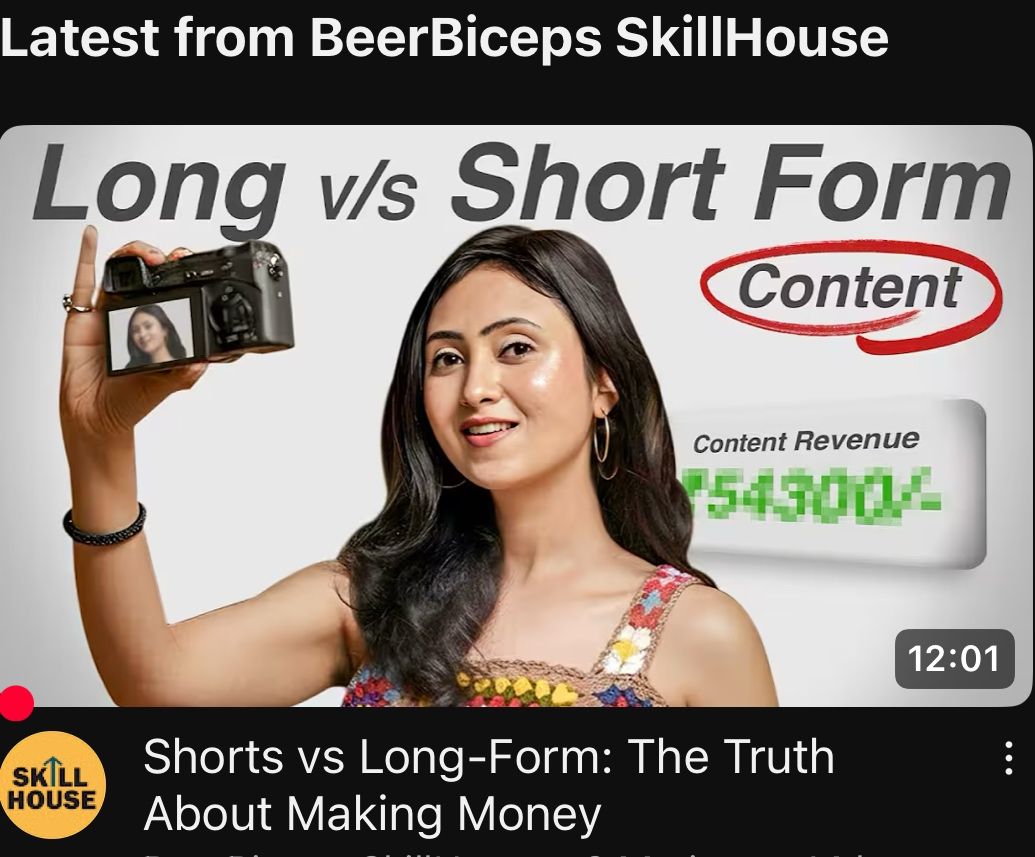
Shorts vs Long-Form: The Truth Every Creator Should Know Every content creator today is facing one question should you go all-in on short-form Reels/Shorts for viral reach, or focus on long-form videos & podcasts for long-term growth? Here’s the reality, based on deeper research and real numbers: 1) Short-form (Reels/Shorts) feels exciting 1 viral post, overnight reach, phone flooded with notifications. But the same viral shorts (1M views) gets you only ₹5-24 thousand.(About $10–60 in the US scenario) The same 1M views on a long-form YouTube video can get you ₹1–2 lakh (or $1200–6000+). That’s the gap. Why? Platforms reward watch time, not just views. Platforms like YouTube & Instagram want you creating short videos. Why? – 60–80% finish a 30-sec video, only 20–30% complete a 30-min one – 60 short videos mean 60 ad slots, 1 long video = 1–2 ad slots – Each swipe = 15x more data points for the platform to learn from 2) For content creators: – Short-form brings FOLLOWERS– Long-form brings TRUST—and sales– Most brand deals, product sales, and e-courses come from long-form videos, podcasts, and deep interviews – No one pays ₹50,000 for a course after watching a reel they do after binging 3 hours of your content. Even Gary Vee & BeerBiceps use both:• Use Shorts to get attention• Use long-form to build strong revenue streams Gary Vaynerchuk’s Approach: – Creates pillar long-form content, then cuts it into dozens of short clips distributed everywhere.– His philosophy: “Be where attention is, but build where trust pays.” BeerBiceps (Ranveer Allahbadia) Strategy: – 2-3 hour podcast episodes with A-list guests form the foundation.– Instagram Reels are just appetizers that drive people to the main course. But here’s what most ignore: Short-form content is TRULY rewiring our brains Research shows that heavy social media use correlates with reduced attention spans and impaired cognitive control. 5 years ago, you could watch a 3-hour movie without checking your phone. Today, 10-minute videos feel too long. – Attention spans are collapsing– But deep focus is what separates top professionals from the crowd– In 2025, your ability to focus for 30+ min is your secret weapon 3) So, how to win? Follow the 70-20-10 Rule for content:Creators: – 70% focus = long-form (foundation, money, trust)– 20% = short-form (repurpose main video, new experiments)– 10% = collabs, newsletters, livesConsumers:– 70% should be podcasts/videos/masterclasses– 20% strategic Shorts/Reels, only to discover deeper content– 10% newsletters/reading Key: – Don’t obsess over views– Focus on watchtime, retention, & monetization– Stop chasing scattered virality– Start building content assets that compound– Both formats are TOOLS – not destinations– Short-form gets you noticed– Long-form gets you PAID India: 600M+ daily viewers: 385M IG users70B Shorts views/day: 490M YT users But the creators who make a living?They play the long game.
YouTube’s 2025 Monetization Shake-Up
YouTube dropped its biggest creator economy updates in 2025 – and it’s reshaping everything we know about content monetization After deep-diving into YouTube’s revolutionary changes, here’s what every content creator, brand manager, and marketer needs to know: 1) MONETIZATION CRACKDOWN IS REAL: YouTube renamed “repetitious content” to “inauthentic content” – targeting AI-generated, mass-produced videos. Template reactions and low-effort compilations? Say goodbye to monetization. This isn’t just policy tweaking; it’s YouTube betting big on authentic storytelling. 2) THE HYPE FEATURE = DEMOCRATIZED DISCOVERY: This changes everything for smaller creators (under 500K subs). Viewers can “hype” 3 videos weekly, pushing content up ranked leaderboards. In beta testing alone: 5M+ hypes across 50K+ channels. For brands scouting emerging talent? This is your new goldmine. 3) COLLAB FEATURE FOR LONG-FORM VIDEOS: YouTube’s Instagram-inspired collaboration tool is now live. Creators can tag up to 4 collaborators per video, displaying all avatars beside the title. The game-changer? Videos get recommended to ALL collaborators’ audiences simultaneously. MrBeast was first to showcase this with Mark Rober and others. Revenue currently goes to uploader, but exposure is 4) MULTI-LANGUAGE AUDIO = GLOBAL REACH UNLOCKED: Every creator now gets AI-powered dubbing in multiple languages. Jamie Oliver tripled his viewership. Mark Rober averages 30+ languages per video. For Indian creators speaking Hindi, Tamil, Telugu? Your content can now reach global audiences effortlessly 🇮🇳 INDIA STATUS CHECK: – Hype Feature: Live since July 2025– Multi-language Dubbing: Rolled out September 2025– Collab Feature: Currently testing with select creators– Dream Screen AI (Veo 2): Coming late 2025/early 2026 THE BRAND OPPORTUNITY: 1) 491M YouTube users in India (largest globally) 2) 110K-170K Indian creators actively monetizing 3) Collaborations can 4x audience reach instantly 4) Only 8-10% of 2.5M active creators earn meaningful income STRATEGIC IMPLICATIONS: → Authentic collaboration > sponsored content → Cross-audience exposure through collab tagging → Smaller creators can access larger audiences → Revenue sharing discussions needed off-platform The creator economy just shifted from individual silos to collaborative ecosystems. Those who adapt early win big.
Do Instagram Reel Covers Really Matter?
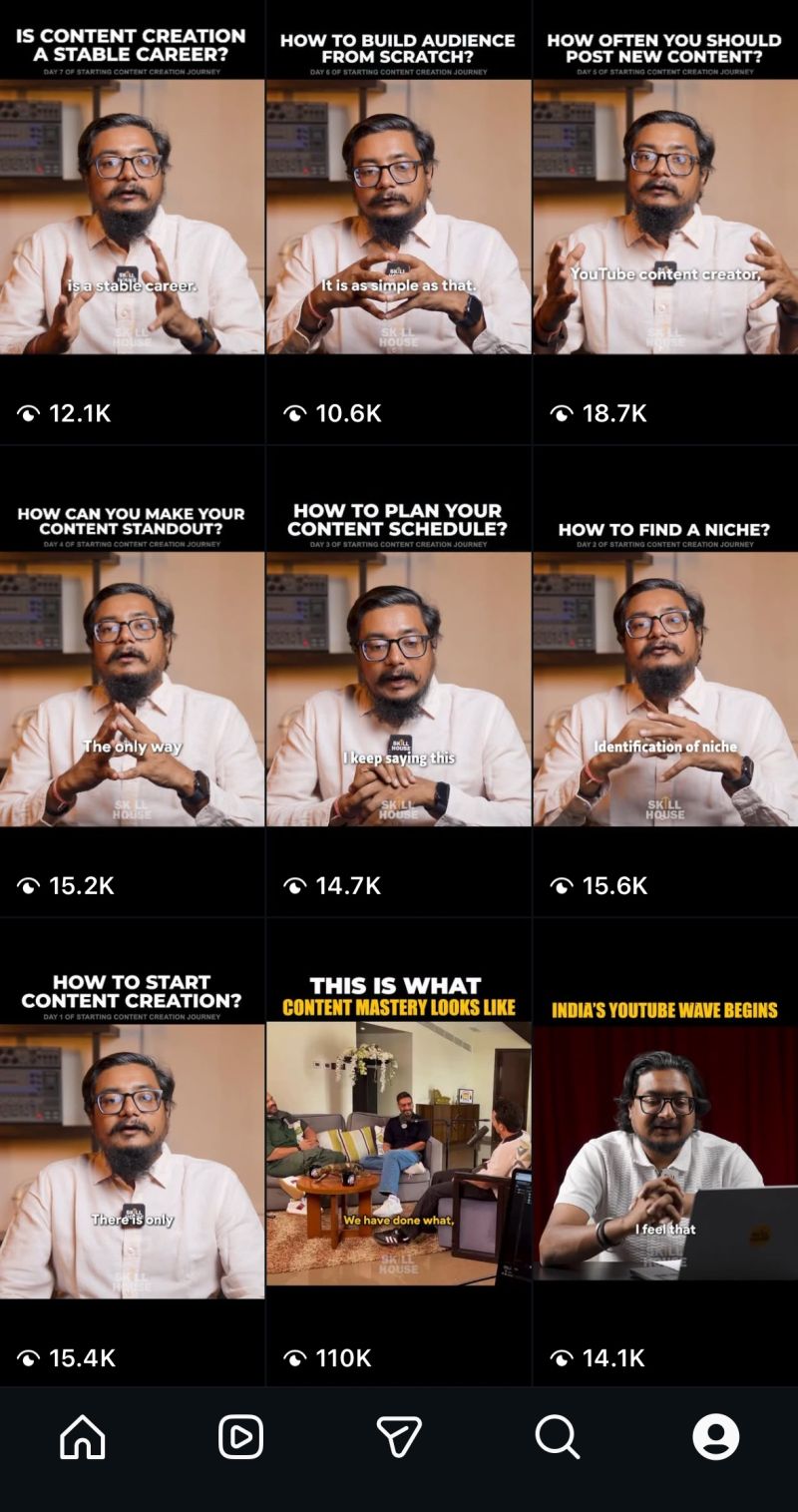
Should Content Creators Care About Instagram Reel Covers? Does it have Real Impact? If you’re investing time in making custom Reel covers, read this before your next upload What Instagram’s Head Adam Mosseri has clarified: 1) Your Reel cover/thumbnail does not impact reach or algorithmic distribution 2) Custom thumbnails (from Canva/Adobe Express) have zero negative effect on how your Reel performs in Recommendations or Explore: algorithm simply doesn’t care So, where do Reel covers actually matter? 1) Profile Grid Aesthetics: – Covers show up in your feed and profile grid, they make first impressions – A branded grid signals professionalism and intentionality – Messy grids > confused visitors 2) Profile-Level Click-Through: – A cover with clear topic text helps profile visitors instantly pick content that interests them – This boosts your views from returning and new profile visitors 3) Content Discoverability: – Creators who teach, coach, or share resources benefit most clear covers make your profile a searchable resource library for your audience 4) Brand Consistency: – Consistent covers with your brand colors/fonts build credibility and trust – Even if you skip covers sometimes, intentional design has compounding effects 5) No Impact on Algorithm, But Yes on Human Behavior: – Most Reel views come from IG’s Recommendations, where cover isn’t shown – But people do judge your expertise based on profile appearance Pro Tips for Reel Covers (if you use them): – Keep the core message in the center/top third of the cover– Limit text to 3-4 actionable words– Use template batches—update covers even after posting – Recommended dimensions: 1080 x 1920 px (safe zone in the center) Who Should Focus on Reel Covers? – Business, educational, and expert-led creators: Covers = valuable asset – Entertainment-only creators: Optional for algorithm, useful for branding Bottom Line: Covers don’t change reach, but they make your content discoverable and your brand trustworthy, especially for “profile browsers.” What’s working for you? Do custom covers drive more clicks from your profile? Drop your results & questions below