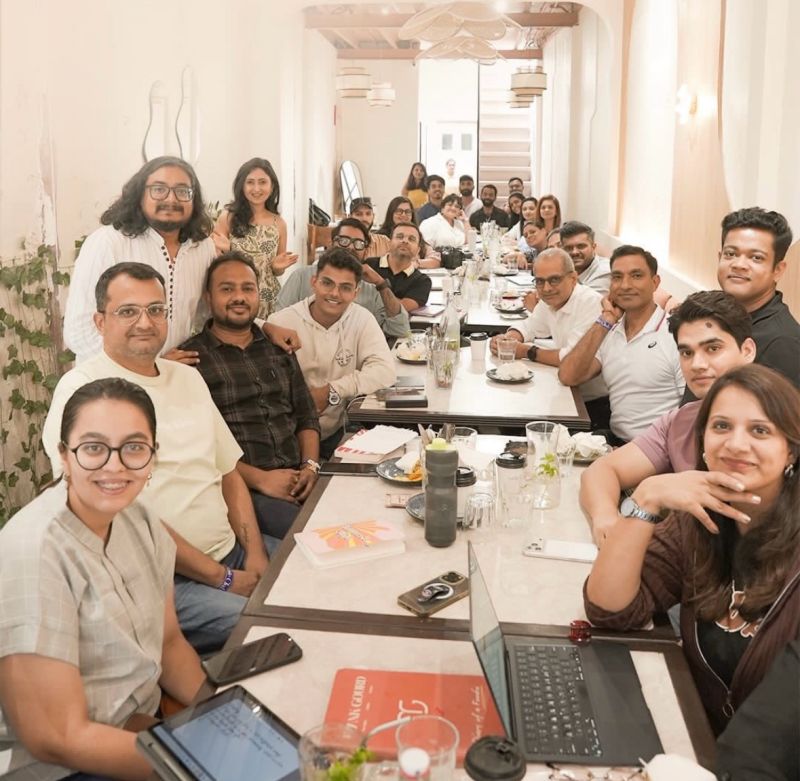
Instagram’s AI Translations for Reels: Breaking Language Barriers Meta AI feature for Reels – sourced from official Meta announcements & tech reports It auto-translates & dubs content into multiple languages, making global reach effortless Here’s a quick summary: diving into details, benefits, & caveats for creators and marketers Key Feature Highlights > Languages Supported: English, Spanish, Portuguese, Hindi, Bengali, Tamil, Telugu, Marathi, Kannada (more coming soon) > How It Works: 1) Toggle “Translate voices with Meta AI” when posting 2) AI handles translation, dubbing (keeps your voice tone/emotion), & lip-syncing 3) Viewers can switch languages; creators get language-specific analytics 4) Extras: Auto-translates text/captions; best for single-speaker, clear-audio videos (multi-speaker in development) 5) Tips for Success: Face camera, speak clearly, minimize noise/music Rollout Timeline & Verification > Announced by Adam Mosseri in mid-January 2026 > Global rollout on Instagram/Facebook, building on 2025 English-Spanish pilot > Confirmed via: Instagram Blog, Meta Help Center, TechCrunch, Mashable India (also build a habit of following & reading these blogs, follow their social media channels) Benefits for Creators & Businesses i) Global Expansion: Reach 3B+ Meta users; Indian creators tap into regional audiences (e.g., Mumbai content viral in Chennai) ii) Cost Savings: Free AI dubbing skips pro translators/re-records iii) Insights & Growth: Track engagement by language; ideal for hyper-local campaigns in) Inclusivity: Empowers non-English speakers in India’s 1.4B market, early users rave about authentic dubs Challenges & Criticisms (too soon to judge but read anyways) > Accuracy Issues: AI might miss nuances, idioms, or context (e.g., song lyrics) > User Feedback: Lip-sync can feel “creepy”; unwanted auto-prompts annoy viewers > Limitations: Single-speaker only; cultural sensitivity concerns (e.g., indigenous languages) > Ethical Notes: Voice privacy worries; Meta makes it optional/reviewable, but improvements needed Broader Impact This AI shift turns content creation inclusive, aligning with India’s multilingual vibe Yet, it sparks debates: Does it homogenize cultures or amplify voices? Tools like Google’s translations show promise, but trust is key – Meta’s adding transparency via C2PA My Take: A game changer for borderless creativity Try it on your next reel, but prioritize authenticity What are your thoughts—game-changer or gimmick? Drop comments and experiences so far, if you already are leveraging Meta AI image from our recent cafe club ip, brain child of our head of content at BeerBiceps Skillhouse, Mahima Thakar, assisted & managed by Harsha Sharma, image captured by Sainyam Ghai
Meta’s Biggest Performance Update in 2025
Meta just dropped a MAJOR update that’s about to change performance marketing on Facebook & Instagram From 16 December 2025, Meta will start using your conversations with Meta AI (text + voice) to decide: • What ads you see• What content shows up in your feedIn short: your chats become targeting signals What’s changing? • Every time someone asks Meta AI a question (“best running shoes under ₹5K”, “how to start a podcast”, “CRM tools for small business”), that intent can now be used to power ad delivery • This goes beyond interests & behaviour. It’s real-time, explicit intent – what people say they want right now • No separate “opt-in” for ads. If you use Meta AI, your chats can fuel targeting.This is the closest Meta has come to search-like intent inside a social product Why this is HUGE for marketers Here’s what it means if you run ads: • Higher-intent audiences: You’re no longer only chasing people who clicked on a Reel or visited a website. You’re tapping into people actively asking for solutions • Smarter delivery for performance ads: Meta’s AI can better predict who is likely to buy / sign up / install – which should improve ROAS, CVR, and lead quality over time • Faster learning loops: As AI conversations scale, signals grow richer. Performance campaigns (Advantage+, broad targeting, value optimisation) will likely outperform over-segmented manual setups • Creative relevance becomes make-or-break If the system is matching ads to intent, lazy, generic creatives will die fast. Context-rich hooks that mirror user questions will win How brands & ad teams should respond (practically) If you’re a marketer, media buyer, founder or creator-led brand, here’s what to start doing: 1) Rewrite your hooks for intent • Old: “Premium wireless earbuds for everyone”• New: “Looking for wireless earbuds under ₹5K that don’t drop from your ears?” 2) Lean into broad + Advantage setupsLet Meta’s AI do the heavy lifting. Give it: • Clean conversion data (CAPI, proper events)• Enough budget & time to learn• Multiple creatives to test, not 1–2 static ads 3) Build modular creative libraries: • Multiple angles: problem, comparison, testimonial, offer• Multiple formats: short UGC, explainers, carousels, product demosYou’re optimising a creative portfolio, not a single “hero” ad 4) Double down on first-party data: • Pass back accurate purchase / lead quality data• Use this with Meta’s AI to train it on your best customers, not just generic buyers 5) Watch performance, not just CPMCPM might go up in the short term as the system tests. The real question: • Is ROAS improving?• Are CPAs stable or dropping?• Is lead / customer quality better? The mindset shift For years, performance marketers learned to: • Hack interests• Stack lookalikes• Over-engineer ad sets