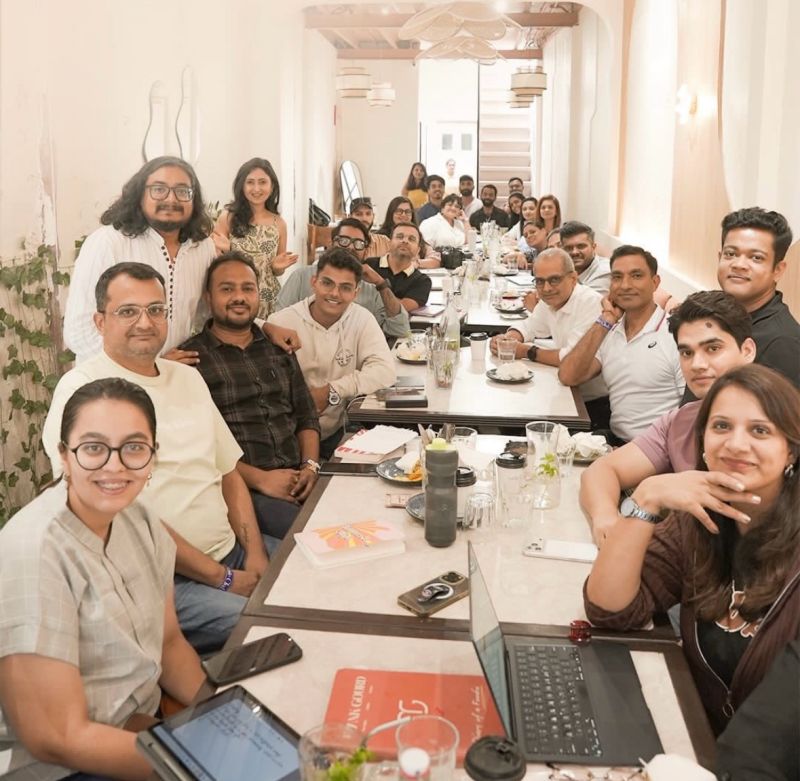
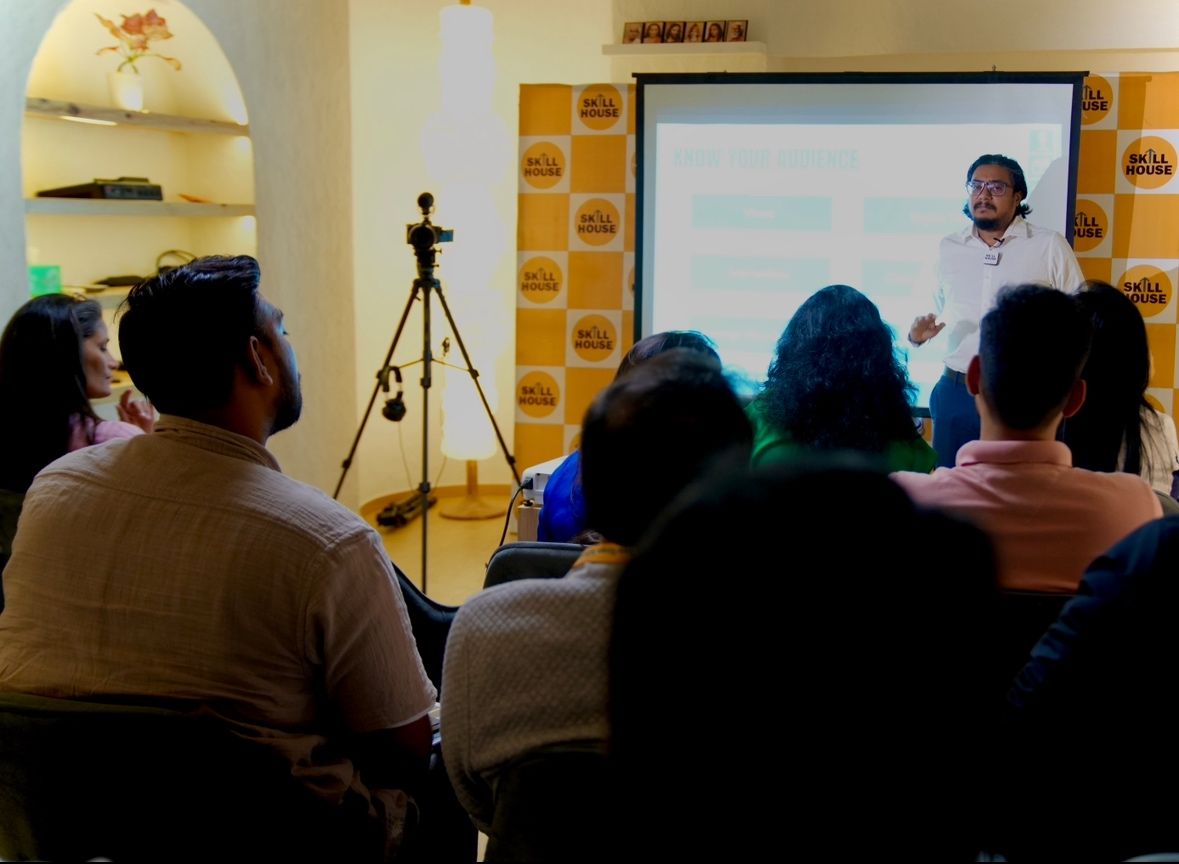
Instagram’s AI Translations for Reels: Breaking Language Barriers Meta AI feature for Reels – sourced from official Meta announcements & tech reports It auto-translates & dubs content into multiple languages, making global reach effortless Here’s a quick summary: diving into details, benefits, & caveats for creators and marketers Key Feature Highlights > Languages Supported: English, Spanish, Portuguese, Hindi, Bengali, Tamil, Telugu, Marathi, Kannada (more coming soon) > How It Works: 1) Toggle “Translate voices with Meta AI” when posting 2) AI handles translation, dubbing (keeps your voice tone/emotion), & lip-syncing 3) Viewers can switch languages; creators get language-specific analytics 4) Extras: Auto-translates text/captions; best for single-speaker, clear-audio videos (multi-speaker in development) 5) Tips for Success: Face camera, speak clearly, minimize noise/music Rollout Timeline & Verification > Announced by Adam Mosseri in mid-January 2026 > Global rollout on Instagram/Facebook, building on 2025 English-Spanish pilot > Confirmed via: Instagram Blog, Meta Help Center, TechCrunch, Mashable India (also build a habit of following & reading these blogs, follow their social media channels) Benefits for Creators & Businesses i) Global Expansion: Reach 3B+ Meta users; Indian creators tap into regional audiences (e.g., Mumbai content viral in Chennai) ii) Cost Savings: Free AI dubbing skips pro translators/re-records iii) Insights & Growth: Track engagement by language; ideal for hyper-local campaigns in) Inclusivity: Empowers non-English speakers in India’s 1.4B market, early users rave about authentic dubs Challenges & Criticisms (too soon to judge but read anyways) > Accuracy Issues: AI might miss nuances, idioms, or context (e.g., song lyrics) > User Feedback: Lip-sync can feel “creepy”; unwanted auto-prompts annoy viewers > Limitations: Single-speaker only; cultural sensitivity concerns (e.g., indigenous languages) > Ethical Notes: Voice privacy worries; Meta makes it optional/reviewable, but improvements needed Broader Impact This AI shift turns content creation inclusive, aligning with India’s multilingual vibe Yet, it sparks debates: Does it homogenize cultures or amplify voices? Tools like Google’s translations show promise, but trust is key – Meta’s adding transparency via C2PA My Take: A game changer for borderless creativity Try it on your next reel, but prioritize authenticity What are your thoughts—game-changer or gimmick? Drop comments and experiences so far, if you already are leveraging Meta AI image from our recent cafe club ip, brain child of our head of content at BeerBiceps Skillhouse, Mahima Thakar, assisted & managed by Harsha Sharma, image captured by Sainyam Ghai
India’s Orange Economy Is Here
The 2026-27 Union Budget or India 🇮🇳 supercharges the ‘orange economy’ Creative sectors like AVGC (animation, VFX, gaming, comics), media, design, & digital content This is huge for content & creative creators India’s Orange Economy Push: 1) AVGC Focus: Needs 2M pros by 2030. IICT Mumbai sets up Content Creator Labs in 15K schools & 500 colleges for hands-on skills in animation, gaming, VFX, comics 2) Design & Heritage: New NID in east to fix designer shortage; develop 15 sites like Lothal/Dholavira for cultural storytelling, boosting tourism creators (AR/VR tours) 3) Support: Single-window for events; links to tourism/space/blue economy Economic Survey 2025-26: Engine for jobs, urban services, tourism4) India’s M&E: ₹2.5L cr (~$30B) in ’24, to $50B by ’29 (7.2% CAGR). Creator economy: Rs19B (’23) to Rs34B by ’26 (18% CAGR) 5) Orange revenue: $20-25B now, potential $100-125B by ’30. AVGC: $2.5-3B to $26B by ‘30 6) We’re #3 in creative startups, 30-35% AVGC growth, big in Hollywood VFX outsourcing (digital: 32% M&E revenue) Global Benchmarks 🌎🌏🌍 Where India Stands & Global orange economy: – $2.25T revenue, 3% GDP, 50M jobs (bigger than EU/Japan/US autos combined). To $985B-$4.3T by ’30 (40% growth). Asia-Pacific leads (1/3 sales, 43% jobs) – Youth: 20-25% workforce; women higher but pay gaps Top players: 1) US: $1T+ (10% GDP)—Hollywood, gaming, music ($130B live output, 900K jobs). Export pros via Netflix 2) South Korea: 10%+ GDP—K-pop/dramas/gaming; govt R&D drives tourism (BTS/Squid Game) 3) Japan: $150B+—anime/manga/gaming (Pokémon/Nintendo); IP licensing masters 4) UK: Music tourism £6.6B (0.3% GDP)—fashion/music/design 5) Colombia: 2.6-3.3% GDP, target 10% via orange bonds/districts ($25-28B) 6) Others: Kenya/Ethiopia (>5% GDP); Nigeria’s Nollywood (2nd biggest employer post-agri); Spain (4.8% GDP, 39.9% growth ’15-19) 7) India: 0.5-1% GDP ($20-30B), but 30-35% AVGC growth beats global 7-14%. Lags in % but matches emerging job intensity (like Jordan 2.4%) – Edge: Youth demo, digital infra, heritage for soft power. Shift from outsourcing to original IP to rival Asia-Pacific by ’30 – Challenges: Talent gaps, regs but budget mirrors Korea/Colombia models Why Content Creators Win & Pro Tips: This empowers creator economy via early skilling, innovation, jobs, exports Turn culture into serious money now: – Skill Up: Master AVGC tools; blend tech/storytelling (e.g., heritage AR) – Go Global: Pitch IP like Korea; collab internationally – Advocate: Push funding; focus sustainability (UNESCO/UNCTAD) – Monetize: Platforms, sponsors, tourism ties. Inclusivity: Higher women roles; digital resilience post-COVID – India’s creator economy is a high-growth subset, fueled by 860+ million internet users, short-form video (Reels, Shorts), & government initiatives like AVGC labs “Digitally Creative Bharat” needs us: let’s lead the orange wave, shall we?
The End of the “Perfect” Era
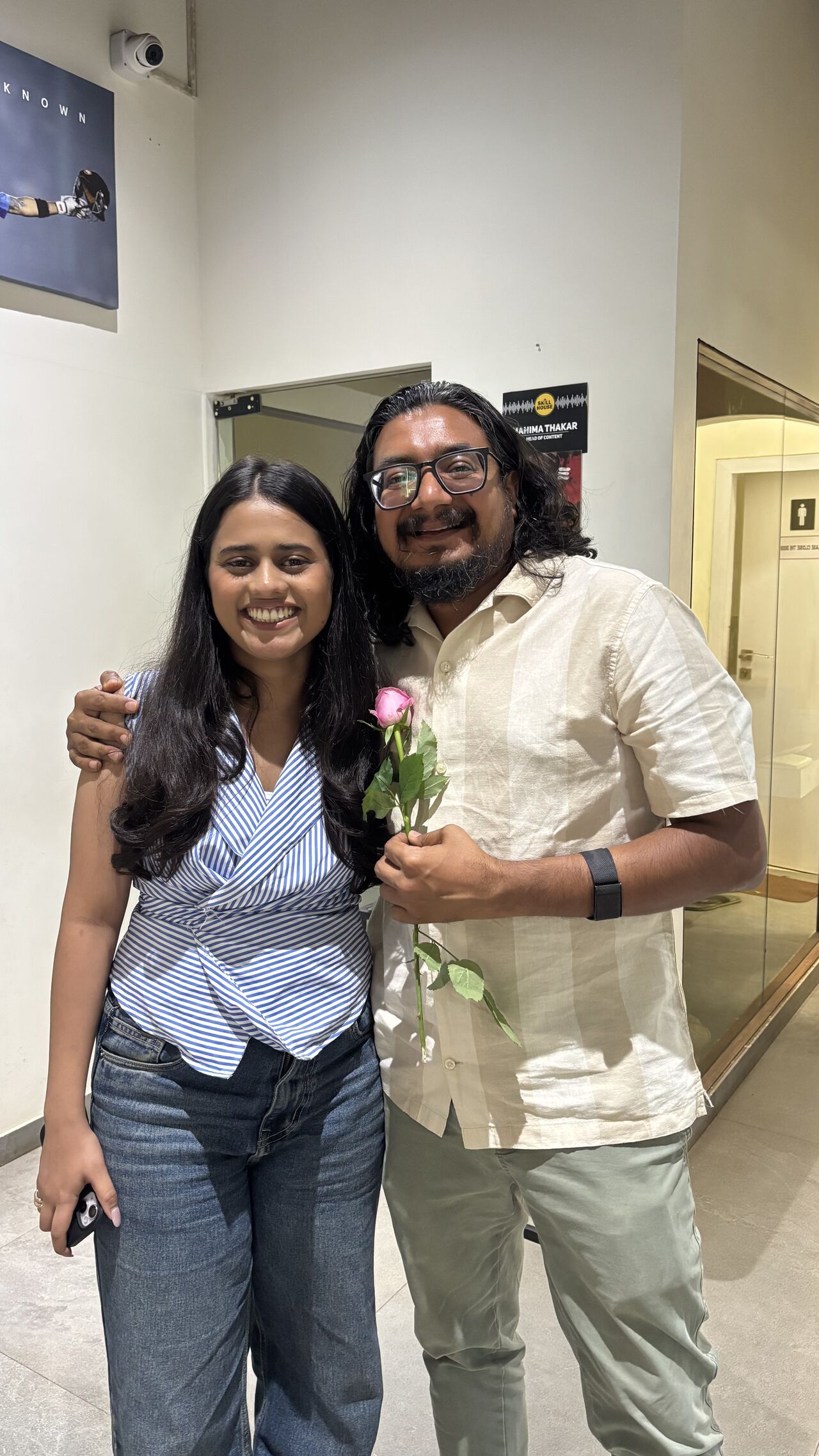
What kind of editing style will be watched & pushed by Instagram in 2026? Adam Mosseri (Bhau/Bhai/Tauu) –the head of Instagram, has effectively declared the death of the hyper-polished, “professional” Instagram aesthetic He just quietly killed the “perfect” aesthetic In his 2025 year-end memo, shared as a twenty-slide visual essay on Instagram & Threads, he explains how AI has fundamentally changed what both users & algorithms value on the platform When flawless content can be mass-produced in seconds by AI, perfection stops being a signal of quality and starts becoming a red flag In Mosseri’s words and logic, what once felt premium cinematic edits, immaculate lighting, ultra-smooth skin now risks signaling that the content might not be real at all Mosseri’s core point: the scarce asset in 2026 is not beauty, it’s believability That’s why Instagram is re‑orienting around content that looks & feels human, not studio‑perfect The platform needs stronger signals of credibility and originality, so ranking is shifting away from pure polish toward things that prove a real person actually hit record Think about what that implies: – Slightly shaky, handheld shots– Imperfect angles and “unflattering” frames– Background noise, messy rooms, real environments– Quick cuts instead of over‑engineered transitions All of these become trust signals in a feed flooded with synthetic media Mosseri even calls out hardware & software players: camera companies are still optimising for a 2015 “professional photographer” look, while the real opportunity is in leaning into the raw, unproduced aesthetic. In a world where everything can look perfect, imperfection becomes a strategy For creators, this is huge: – You don’t need complex editing suites to be competitive – Over‑editing can actually hurt you by making content feel less real – Speed, honesty, and originality are now structural advantages If you’re still delaying posts because the edit isn’t “perfect,” you’re optimising for the wrong algorithm The new game on Instagram is simple:Less studio, More real life Less “flawless.” More proof you’re human Creators who understand this shift early will win disproportionate attention over the next 12–18 months Would you be comfortable posting content that shows you at your most unpolished? Photo with Saee Ghatame – one of my top favourite genz team members at BeerBiceps Skillhouse, she worked with us for over a year & is now moving to Australia for higher studies, keep DMing me the all new genz words & educate me to keep up with you all, Saee, keep slaying, the rizz alive
Instagram: The Showrunner’s Platform
Instagram is slowly turning into Netflix. Here’s what that means for creators & brands Sounds dramatic? Maybe But it’s exactly what the new Instagram algorithm is nudging toward In 2025, Instagram quietly evolved from a “scroll” app into a “streaming” platform rewarding Reels that hook attention, build narratives, and keep people watching like episodes in a binge-worthy series Let’s unpack what’s really happening 1) The Algorithm Update That Changed Everything: Instagram now ranks Reels using retention and engagement signals– watch time,– rewatches,– skips,– DM shares, &– completion rates In September 2025, two critical updates made this shift official: > Reel retention + skip metrics were added to analytics> Multi-part linking launched, letting creators connect Reels into series (e.g. Part 1 → Part 2) Adam Mosseri even called it “a new era of binge-worthy mini-shows.” So yes, episodic storytelling is now baked into Instagram’s growth engine 2) Why “Episodic Reels” Are the New Meta: Content Creators and brands that build repeatable series see up to 2–3x more recall and engagement Because audiences don’t just follow your brand, they follow your story For Creators: Start a “Challenge Series” (e.g., 30 days of design, fitness, or product building) For Brands: Think “Skin Coach Diaries,” “Stylist Selects,” or “Barista Stories.” Real faces + recurring characters = trust and retention Remember: one viral Reel won’t build a brand, A well-told series will 3) How to Optimize for This Algorithm – Hook hard in the first 3 seconds, reduce skips– End with cliffhangers, push viewers to tap on “Next Reel” – Track retention metrics: if people drop off early, shorten your narrative – Encourage DMs: Instagram now boosts content shared privately Even hashtags matter less today Instagram favors organic discovery powered by watch time and authenticity signals 4) Practical Steps to Win in 2025: – Repurpose your best-performing Reels into multi-part stories– Build 10-episode seasons around your niche– Use the new iPad app for Reels editing — it’s optimized for series creation– A/B test episodic vs random posts to find what your audience “binges”– Embed storytelling across Reels, Carousels, & Stories for a unified brand universe This isn’t about gimmicks. It’s about attention architecture, building narrative loops that make your audience care enough to come back The Big Takeaway: Instagram’s future belongs to storytellers, not sellers If YouTube built the long-form universe, Instagram is now building the short-form multiverse, one where creators evolve into showrunners & brands become media houses The question for 2026 isn’t “What Reel should I post?” It’s, “What story am I telling next week?” Start Today Audit retention metrics, build your universe. Storytellers own 2026, sellers won’t Who’s piloting a series? Drop ideas below
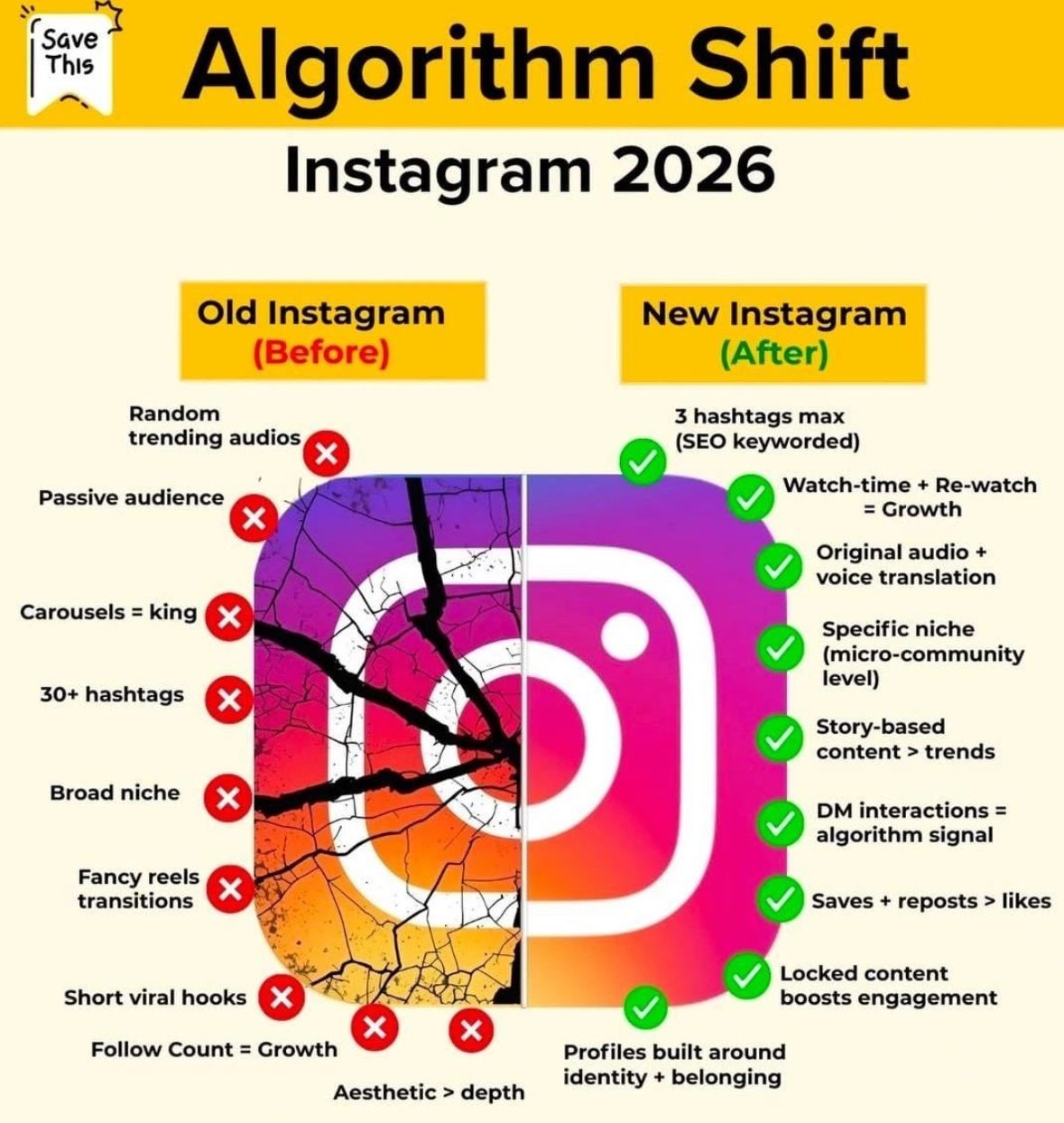
Instagram Algorithm Shift 2026
Instagram “Algorithm Shift 2026” What’s Actually True? There’s a viral graphic claiming a massive Instagram algorithm reset for 2026 This infographic was created by Ashish Mandal (https://lnkd.in/dYETPPsE) – an edit creator on IG, but the claimed strategies need to be fact checked) A lot of it sounds exciting, but parts of it are oversimplified or just wrong Here’s a clearer picture, based on Instagram’s public explanations & Adam Mosseri’s recent breakdowns What Instagram REALLY optimizes forInstagram doesn’t have “one algorithm” it runs multiple ranking systems for Feed, Reels, Stories & Explore, all chasing one thing: how much users enjoy and engage with your content Across formats, three signals keep coming up: – Watch time & retention– Likes per reach– Sends/shares (especially into DMs) If a post holds attention and gets shared, it’s far more likely to be pushed to non‑followers What the graphic gets right (directionally) 1) Watch time + re‑watch = growth: The system heavily rewards how long people watch and whether they come back to re‑watch Hooks still matter, but sustained attention matters more 2) Original content beats lazy trends: Purely reposting trending audios or formats without adding anything new is losing power Original content, your own audio, and clear POV are increasingly favored 3) DMs, saves and shares > likes: “Sends per reach” & saves are treated as deeper intent than a double tap Content people need to send to friends travels further 4) Niche clarity helps recommendations: Accounts with a clear topic and consistent value are easier for the system to understand and recommend to the right people Where the graphic misleads 1) “3 hashtags max”: There’s no magic number The real shift is from hashtag stuffing to a small set of relevant, SEO‑style keywords in hashtags, captions & on‑screen text 2) “Locked content boosts engagement: Scarcity & exclusivity can deepen community, but there’s no official boost just because content is paywalled or restricted; performance still comes down to response 3) “Carousels are dead” or “Reels are king” is too binary Format is secondary; watch time, shares & completion rate matter more than whether it’s a Reel or carousel A more accurate 2026 playbook: For creators & brands, the game looks more like this: – Design for retention, not just the hook – Make content that’s DM‑worthy (relatable, useful, or entertaining enough to send) – Use a few tightly relevant hashtags and keywords, not 30 random tags – Lean into original, niche‑aligned content over generic trends – Use Stories & DMs to deepen relationships, because your relationship graph heavily influences who sees you next If you’re optimizing for watch time, shares, and real conversations, you’re already building for the “new” Instagram – no matter what the next viral algorithm graphic says
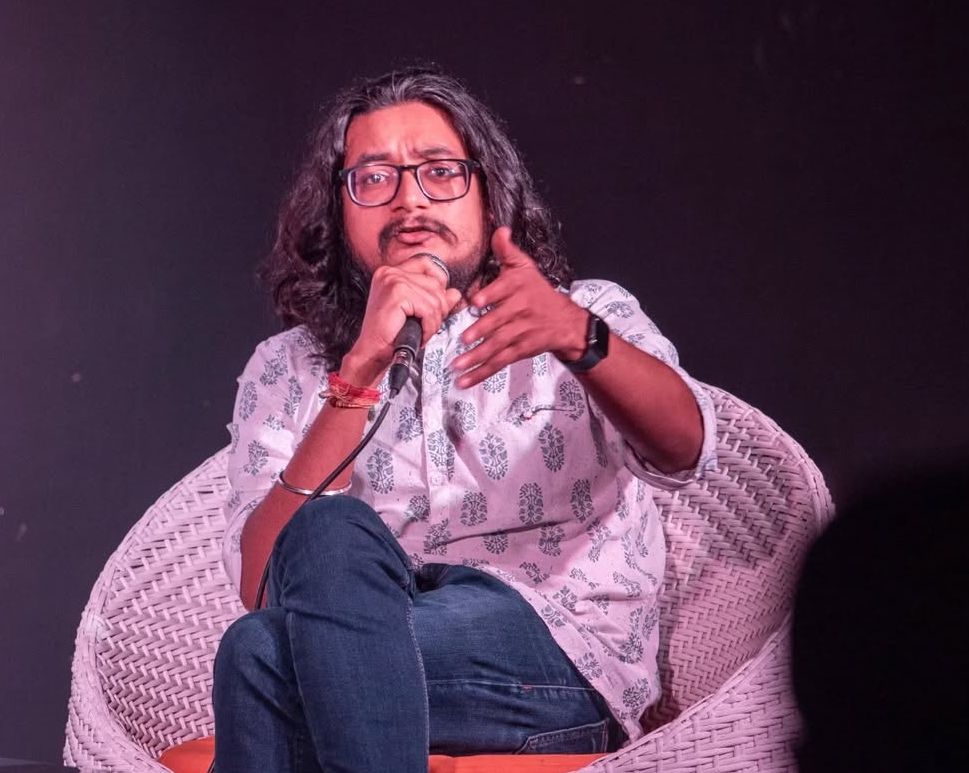
India’s Second Digital Revolution
India’s digital story hasn’t just grown – it has flipped in last 10 years And that flip has huge implications for creators and brands A phone that was once a privilege is now basic infrastructure, even for the bottom 40% of households Cheap smartphones + ultra‑low data costs turned the mobile into India’s primary screen for work, money, entertainment and learning. For many families, one device has replaced the TV, PC, bank branch & shopping mall India is on track to cross 900M internet users and 450M+ social media users, with almost all of this being mobile‑first The average Indian spends 4–7 hours a day on their phone; ~9 in 10 active users go online daily Entertainment dominates (online video & OTT usage is near‑universal), but the same feeds are also where people learn new skills, follow news, discover products and transact via UPI The real growth engine is Bharat: rural + Tier 2/3 These markets are adding users fastest and driving a big chunk of digital payments and e‑commerce growth This new consumer is young, mobile‑only, price‑sensitive and influenced far more by people than by logos That’s exactly where the creator + UGC opportunity lies For creators, infrastructure is solved. The upside now is in: – Owning niches in vernacular and Tier 2/3– Using short‑form for discovery, long‑form & communities for depth– Moving beyond only brand deals to digital products, courses, live commerce and memberships For brands and D2C founders, the new playbook is: – Portfolios of micro/nano‑creators instead of one big celebrity– UGC (reviews, Reels, unboxings) as always‑on social proof, not one‑off campaigns– Treating social platforms as full‑funnel: discovery → trust → checkout on the same screen India isn’t just adding “more users”; it’s onboarding new digital consumers every year who live on their phones and buy inside their feeds Whoever learns to serve that user best – with the right mix of content, community and commerce – will own India’s next decade One line that matters: India is not just adding more users; it is onboarding entirely new consumer classes who live on their phones, trust people over logos, and discover, learn and buy in the same feed Whoever learns to serve that user best, with the right mix of content, community & commerce: will own India’s next decade
Personal Branding First Principles
Everyone’s talking about personal branding and how one should go about it Lets lock some basics and first principles It’s not about bragging or self-promotion It’s about owning your reputation in a world where your digital footprint defines you For founders, leaders, & content creators, a strong personal brand isn’t a vanity project, it’s your most critical business asset Here are some non-negotiable principles for building a brand that drives real impact & opportunity This is your note-taking guide 1) Your Mission is Your Magnet: – Before you chase a single follower, define your mission – Who are you, what do you do, who do you serve, and what transformation do you create? – A clear mission statement is the foundation for all your content – Don’t build on sand 2) Niche Down to Scale Up: – You cannot be for everyone – Your unique value is found at the intersection of your expertise, your passion, & a specific audience’s problem – Be a specialist, the riches are in the niches 3) Master One Platform, Don’t Boil the Ocean: – Don’t try to be on LinkedIn, Instagram, YouTube, & Threads all at once – Find where your audience lives and dominate that one platform – Go deep, not wide – Quality & consistency on one channel beat mediocrity on five 4) Create a Content System, Not Just Content: – Stop posting randomly – Build a 90-day content plan around 3-5 core pillars that provide value (educate), build credibility (proof), & spark conversation (engage) – Systematize your value delivery 5) Authenticity is Your Ultimate Advantage: – In an era of AI & deepfakes, your humanity is your superpower – Share your wins, your lessons, your learnings, your losses & your perspective – Polished perfection is dead; trust is built through authentic, mission-driven storytelling 6) Engage More Than You Broadcast: – Talk, Write, Reply, Don’t “post & ghost” – The real magic happens in the comments on your posts & others’ – Block out time daily to have real conversations – Your network & authority are built through genuine interaction, not just broadcasting 7) Monetize the Mission, Not Just the Media: – A strong brand unlocks multiple income streams – Don’t just think ads or sponsorships – Think courses, consulting, paid communities, workshops, and digital products – If you solve a painful problem, your audience will gladly pay for the solution.Your personal brand is being built with or without your input – The only question is whether you want to be the one driving the narrative What’s the #1 challenge you’re facing with your personal brand in 2025? Let’s discuss in the comments, I will reply to all that I have answers to Photo from one of the best group I have been a part of – Communion, this one was the first edition in 2022, Rishikesh, India Photo by Sandeep Mall – follow him for health and life lessons
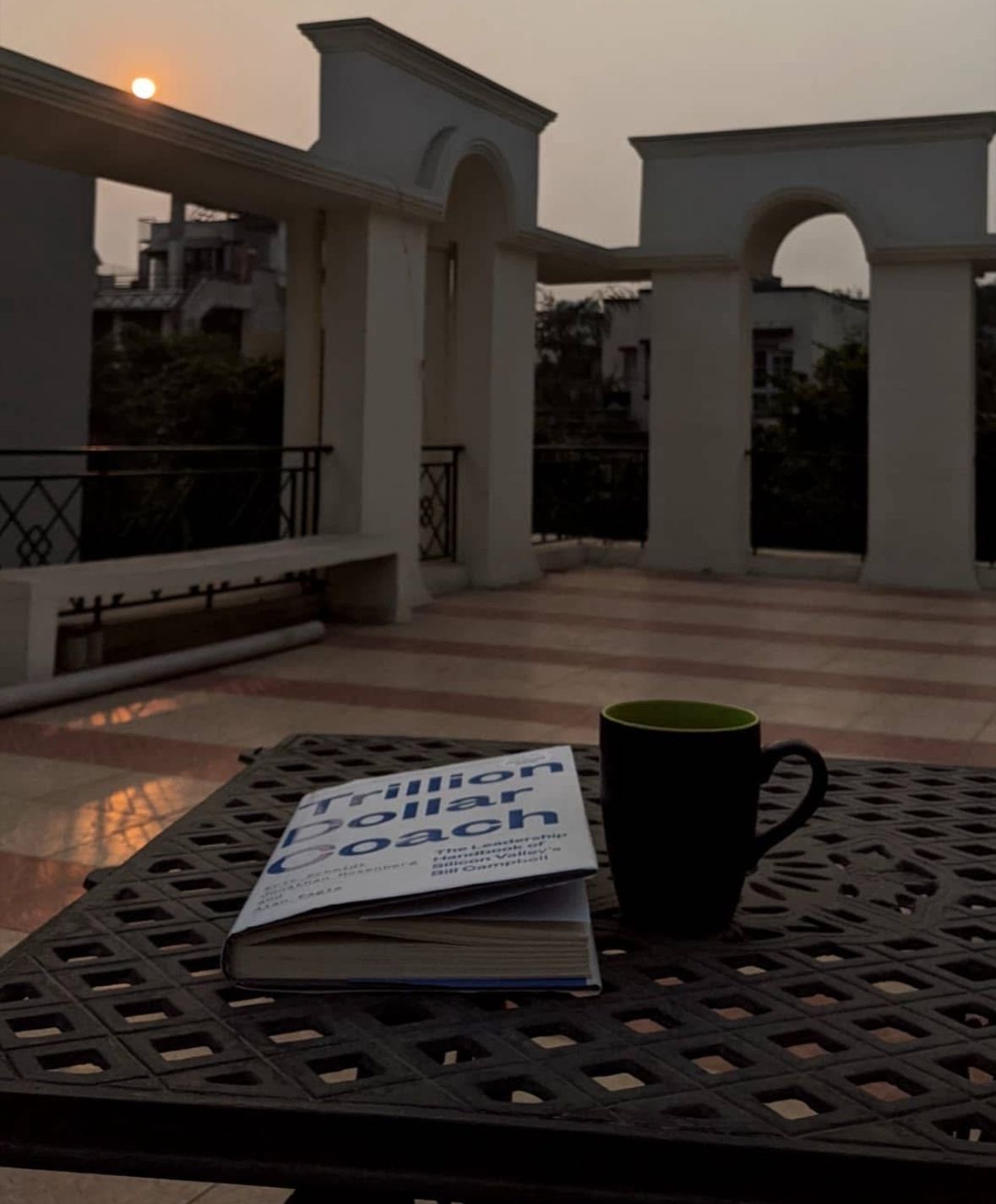
Trillion Dollar Coach
When it comes to learning about leadership, I have a ritual of reading a specific book every December, Ashish Tulsian introduced me to this book in 2019, & since then it’s been a year-end ritual Most people think “personal brand” is shouting loudly on the internet, its opposite of that Brutal truths about leadership & personal branding from Trillion Dollar Coach, simplified for founders, content creators & leaders: 1) Your title makes you a manager: How your people talk about you when you’re not in the room makes you a leader 2) Authenticity is a strategy: Bring your full self to work:values, quirks, flaws, people follow the real you 3) Humility > authority: Respect isn’t a line in your bio; it’s how you show up when you could easily pull rank but you don’t 4) Care is real USP: Ask about families, health, struggles, people never forget leaders who genuinely care 5) Truth beats comfort: The leaders people trust most are the ones who tell them what they need to hear, not what they want to hear 6) Listening is a power move: Undivided attention is rare, makes people feel heard & they will remember you for life 7) Love + hard feedback: Great leaders hug with one arm & hold a mirror with the other. High challenge, high care 8) Protect the “trust envelope”: Do what you say. Keep confidences, one leak can destroy a decade of brand-building 9) Be a confidence amplifier: See potential people can’t see in themselves, lend them your belief until they build their own 10) Service over status: If you need the spotlight, you’ll lose the room, if you grow others, your reputation compounds 11) Treat everyone the same: Board member or barista, your brand is how you treat the person who can’t “do” anything for you 12) Show your scars: Admitting “I don’t know” or “I was wrong” makes people trust you more, not less 13) Feedback in real-time: Praise in public, correction in private, as close to the moment as possible, clarity is kindness 14) Kill ego politics early: Don’t tolerate drama, silos or “I, me, mine” behaviour, protect the mission ruthlessly 15) Build psychological safety: When people feel safe to speak up, they give you their best ideas not their safest ones 16) Use 1:1s for humans, not just OKRs: Start with life, then move to work, relationships first, dashboards later 17) Be aggressively generous: Time, intros, credit, opportunities, the market remembers givers more than takers 18) Crisis reveals true brand: Everyone watches how you behave when things break, that is your leadership identity 19) Only invest in the coachable: Energy is limited, pour it into the people who are hungry to learn, not those defending their ego 20) Live your 1st principles: Values don’t matter when it’s easy, they matter when it’s expensive Bill never called himself the “Trillion Dollar Coach” The world did, the best leaders who owned Trillion Dollar Companies did Your personal brand isn’t what you say about yourself, it’s about what others think of you
Monetisation Beyond Ads & Brand Deals
Monetisation Beyond Ads & Brand Deals: Here’s a genre-wise ideas to help you monetise sustainably beyond AdSense and brand deals: 👗 Fashion & Lifestyle: 1) Sell styling guides, digital lookbooks, or presets2) Offer personal styling consults or closet audits3) Launch mini-courses on personal branding or fashion content4) Build a paid style tribe for early access and tips5) Share affiliate links via Amazon, Flipkart, Myntra, Nykaa, Meesho and other fashion eCommerce platforms ✈️ Travel & Food: 1) Sell curated itineraries, food maps, or local guides2) Host regional cooking classes or travel planning webinars3) Organise food walks or themed destination meetups4) Start a travel tribe for insider hacks and early drops5) Monetise through affiliate links: gear, hotels, kitchen tools 🎭 Entertainment & Fun: 1) Sell meme templates, character-based merch, or scripts2) Offer exclusive skits, live Q&As, or fa watch parties, meet-ups3) Host virtual comedy nights or reaction livestreams4) Teach content creation or humour-writing 1:15) Collaborate on digital entertainment IPs 🚀 Motivation & Aspiration: 1) Sell productivity planners, affirmation decks, or life templates2) Host workshops on clarity, discipline, and storytelling3) Offer mentorship or accountability-based coaching4) Run community-based growth challenges5) Launch a thought-led newsletter with real tools, not fluff 🧠 Research & Journalism, News Format: 1) Sell explainer decks, fact-checking templates, or story kits2) Launch paid Substack/newsletter with deep dives3) Host sessions on media literacy, storytelling, or analysis4) Crowdfund independent reports or docu-series5) Consult brands, students, or journalists on narratives 💻 Technology: 1) Sell tech playbooks, AI prompt libraries, or cheat sheets2) Host bootcamps: automation, coding, tools, GPT workflows3) Share affiliate links to SaaS, gadgets, or tech stacks4) Build a premium Discord for tech collabs5) Partner with startups for product demos or education 👨🏫 Teaching & Competitive Exams: 1) Sell notes, mock papers, formula charts, and revision kits2) Host live bootcamps for NEET, JEE, UPSC, CBSE, etc.3) Build a private Telegram/Discord study group4) Collaborate with EdTechs or local coaching centres5) Crowdfund free content or app-based learning tools 🌐 Bonus Tips For All Content Creators: 1) Launch paid communities via Patreon, InstaMojo, or Buy Me a Coffee, TopMate.io2) Host ticketed meetups, events, or retreats3) Monetise expertise via LinkedIn-sponsored content4) Speak at colleges, corporates, creator summits5) Co-create digital products, newsletters, or virtual events Remember – Your niche is your power– Your community is your capital– Build for depth, not just scale– Monetise with meaning If you want to connect with me to discuss starting/scaling content, strategy, growth, feel free to block my time using topmate.io/join2manish, reserve your slot
YouTube’s New Collab Feature
What if YouTube made it 10 times easier to grow without posting more videos? For years, creators have been trying to reach new viewers:– Guest appearances on other channels– Shoutouts in videos– Linking channels in descriptions It worked, but it was messy and slow. Now, YouTube is testing a built-in Collab Video feature that makes all of this instant. Here’s what it lets you do:– Upload your video and invite another creator to co-own it– Once they accept, the same video shows up on both your channels– Views, likes, and comments are counted together instead of being split– Viewers can tap to subscribe to every collaborator right from the video– On mobile, YouTube neatly lists all tagged collaborators, with a “and more” option if there are many Why this is huge:– Your video gets shown to your audience AND their audience at the same time– This means instant growth without posting more content– Perfect for podcasts, interviews, brand campaigns, and co-created videos– Brands can work with multiple creators in one smooth project without messy uploads– Audiences are more likely to subscribe when they see creators together in one official post Example:If you have 5k subscribers and collab with someone who has 20k, your video now gets exposure to 25k people on day one. That’s the power of this feature. Right now, YouTube is only testing this with a small group of trusted creators. But when it rolls out to everyone, the first ones to use it will get the biggest jump in audience and reach. So, the question is not “should you use it,” the real question is who will you collab with first.